
Designing a Store That Sells
Key elements for a strong brand experience to attract your ideal customer.
It’s one thing to design a beautiful retail store, but another to design a store that effortlessly sells product. It’s important to think about the return on investment of the fitout and how the design plays a role in maximising sales, customer experience and brand identity. Without these considerations, the store on surface level may tick the aesthetic requirements of the brief, but it’s missing that ‘something’ that captures the essence of the brand and attracts the right customer.
Let’s look at the key elements that can impact your retail store.
The Site:
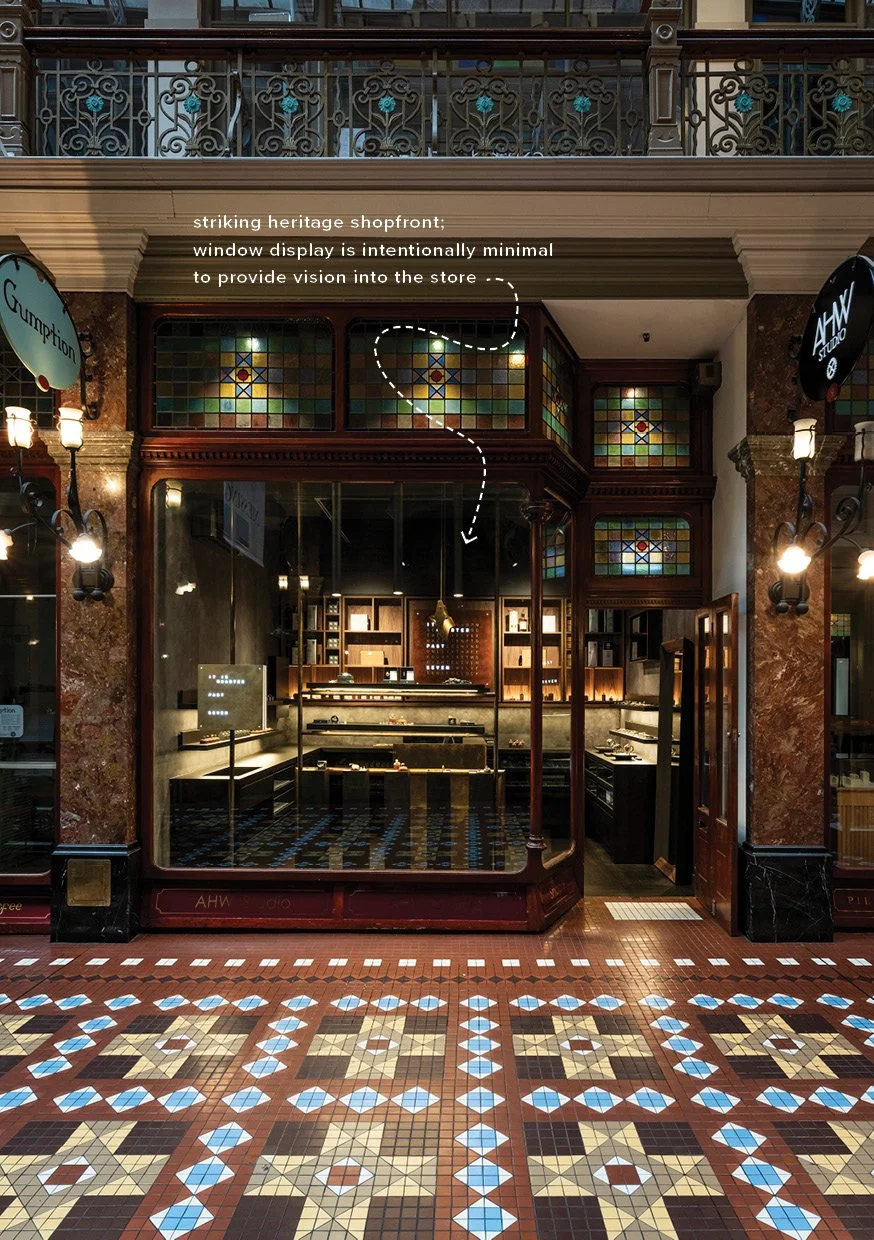
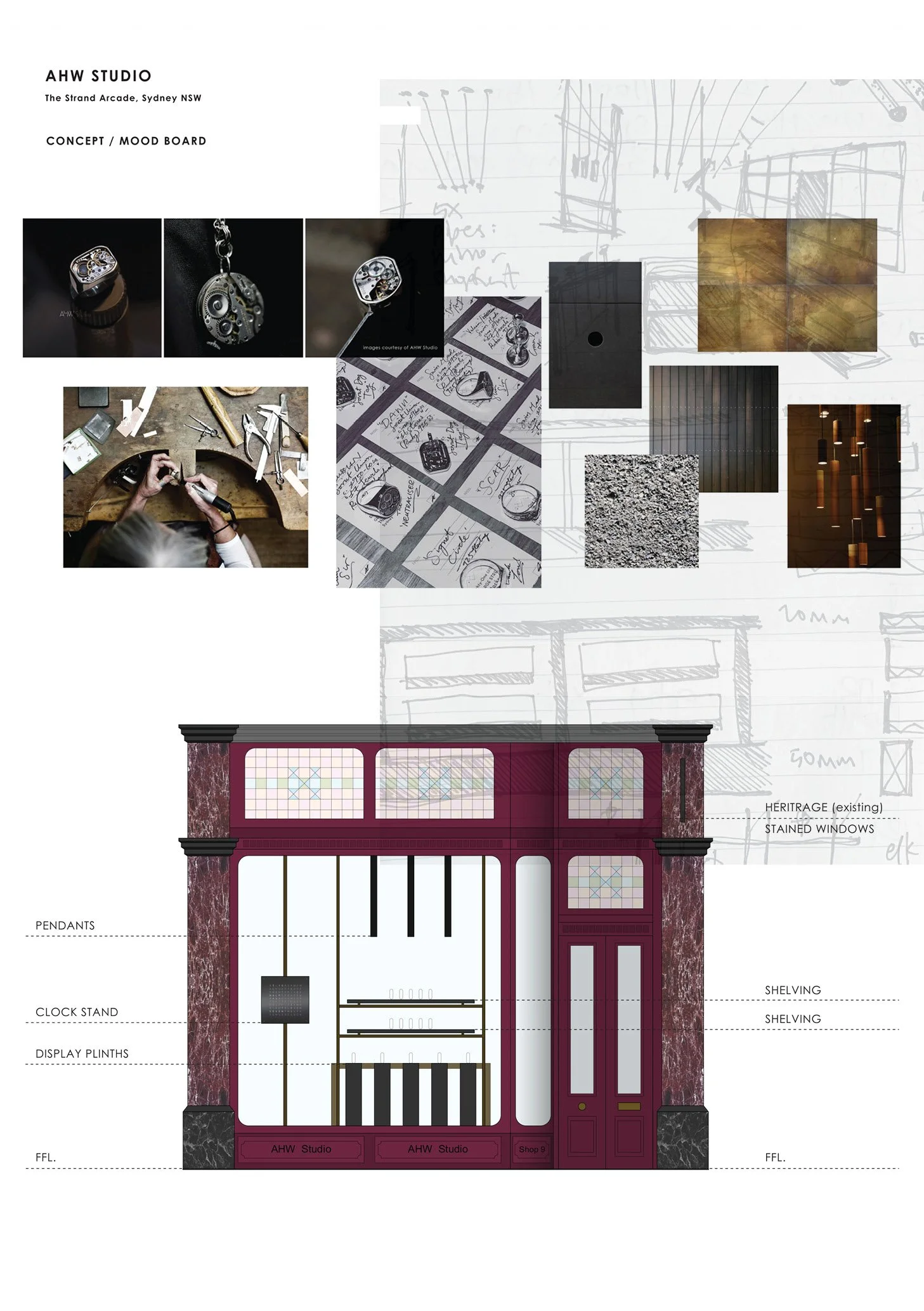
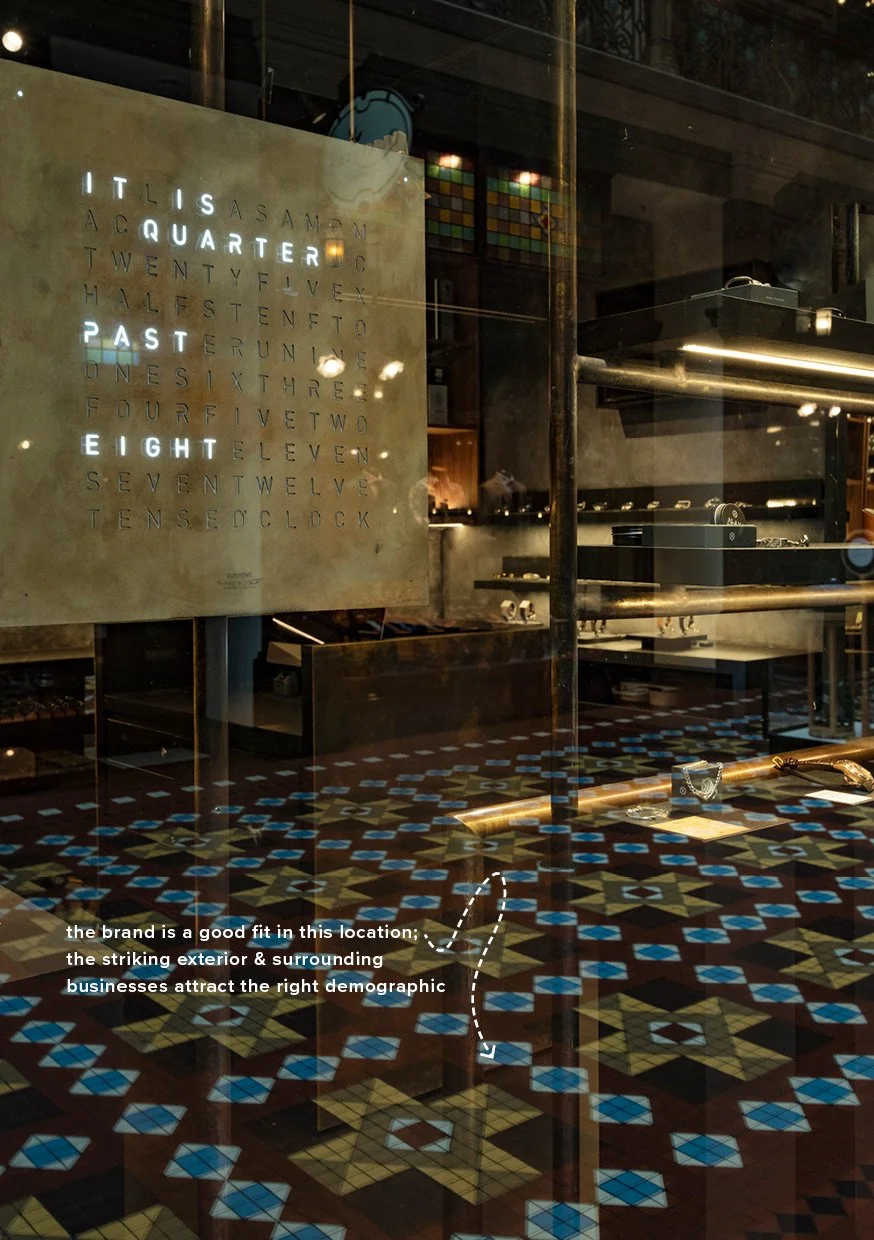
One of the most important decisions is where your store will be located. Who else is around? What is the demographic? Why is this location the best choice? A great example is AHW Studio in The Strand Arcade. An iconic shopping destination with many other artisans and makers; the brand is a good fit here. The location influenced the beginnings of the interior, especially the finishes and design of the shopfront display. While not every building has this level of wow factor, consider how the location, surroundings and characteristics of the tenancy will reflect your brand and open possibilities for the design.
The Layout:
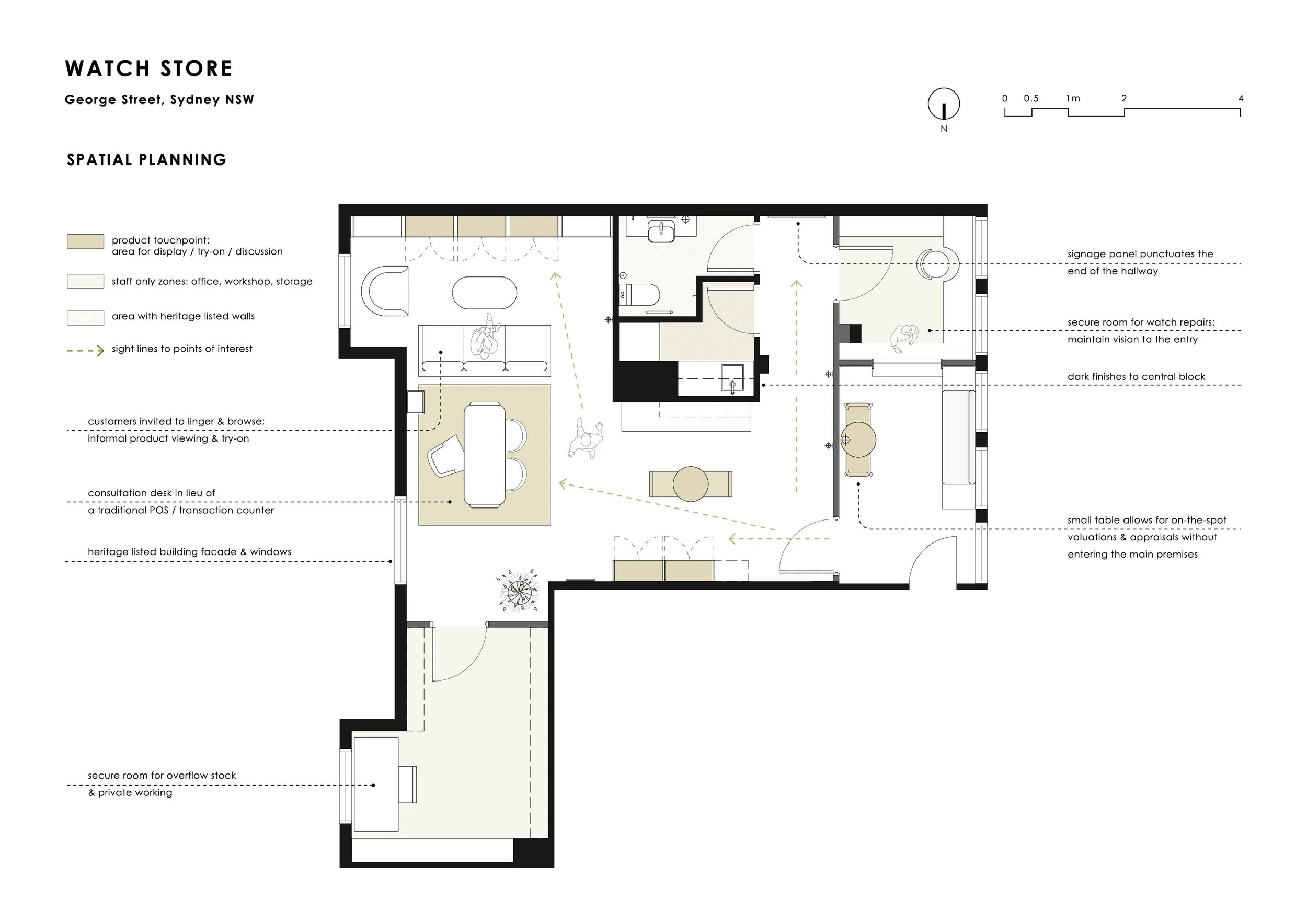
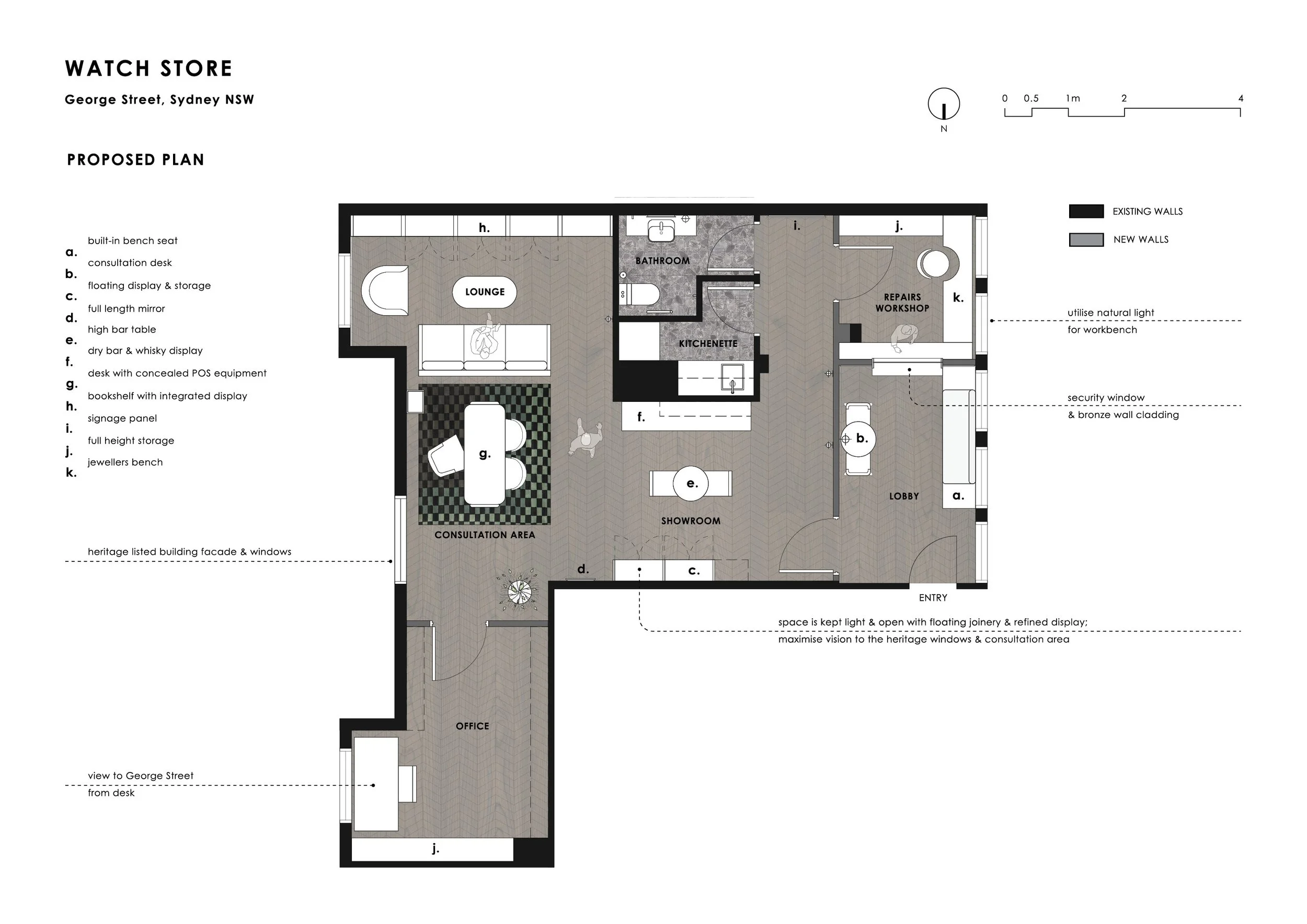
Maximising the efficiency of the floor plan is crucial. Customer flow is important, as well as ensuring functionality and compliance with building codes (access / egress, DDA requirements, circulation and clearances). The placement of displays, point of sale and storage are top of the list when spatial planning. The shape of the tenancy, location of any windows and structural columns will also influence the layout. Often, the challenges of the site and “fitting everything in” can foster a creative outcome. Never underestimate the impact of spatial planning, even if the solution is quite simple.
Product Display:
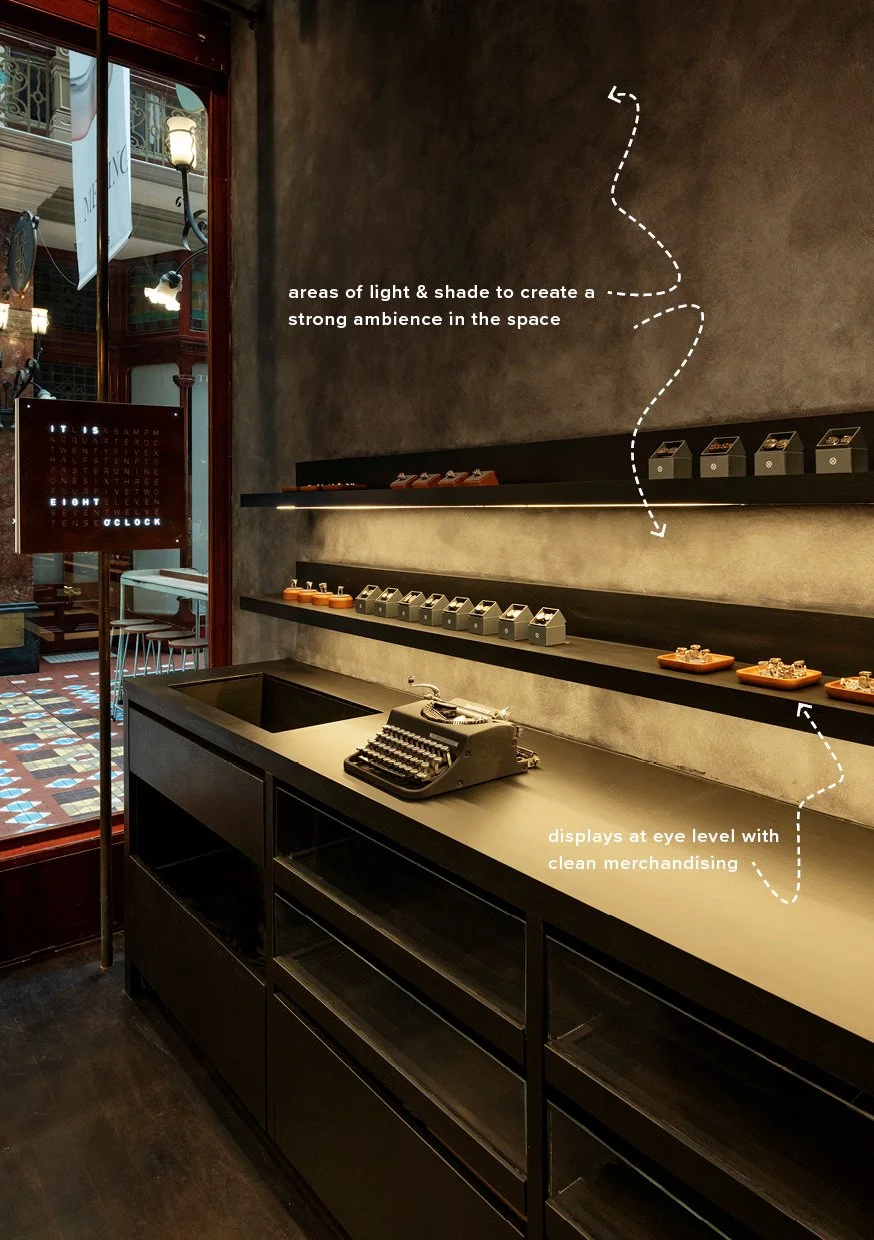
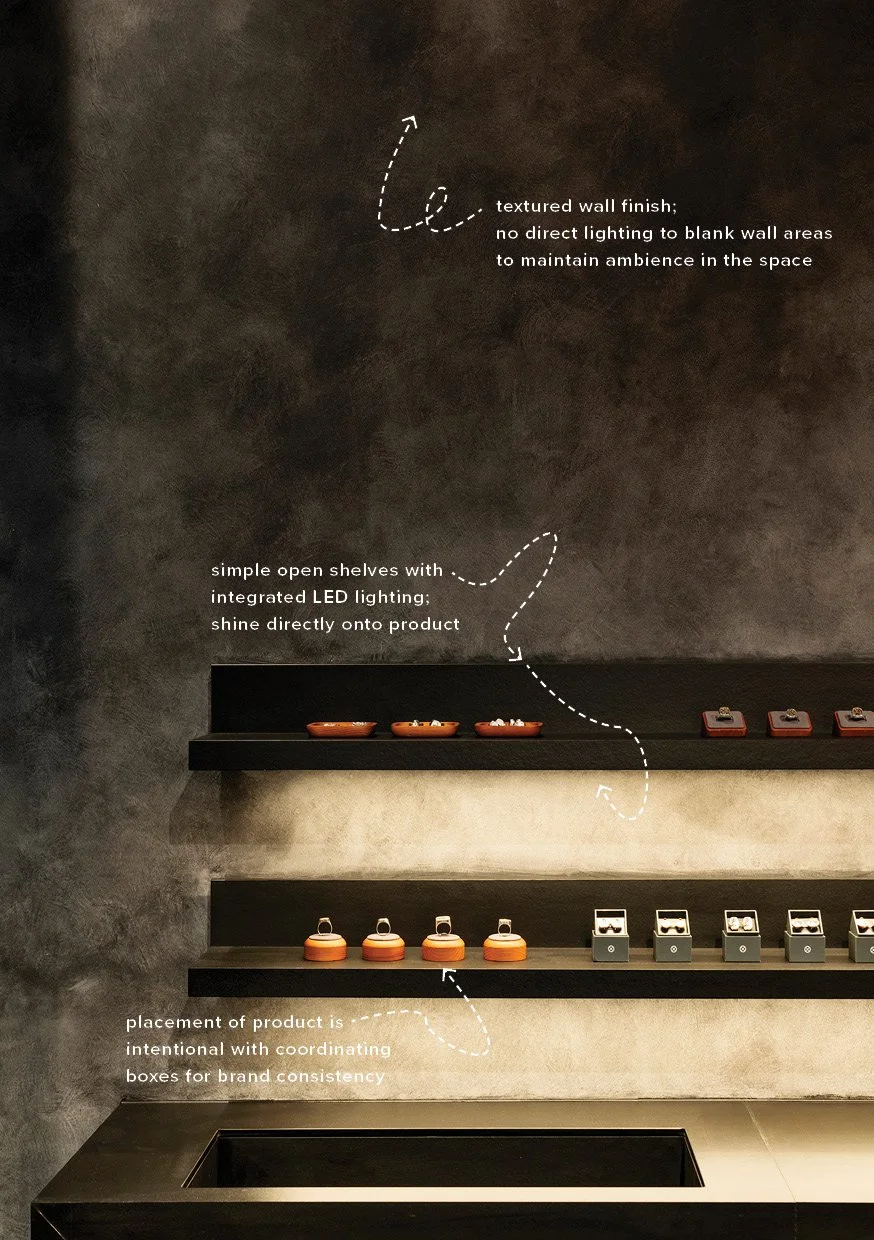
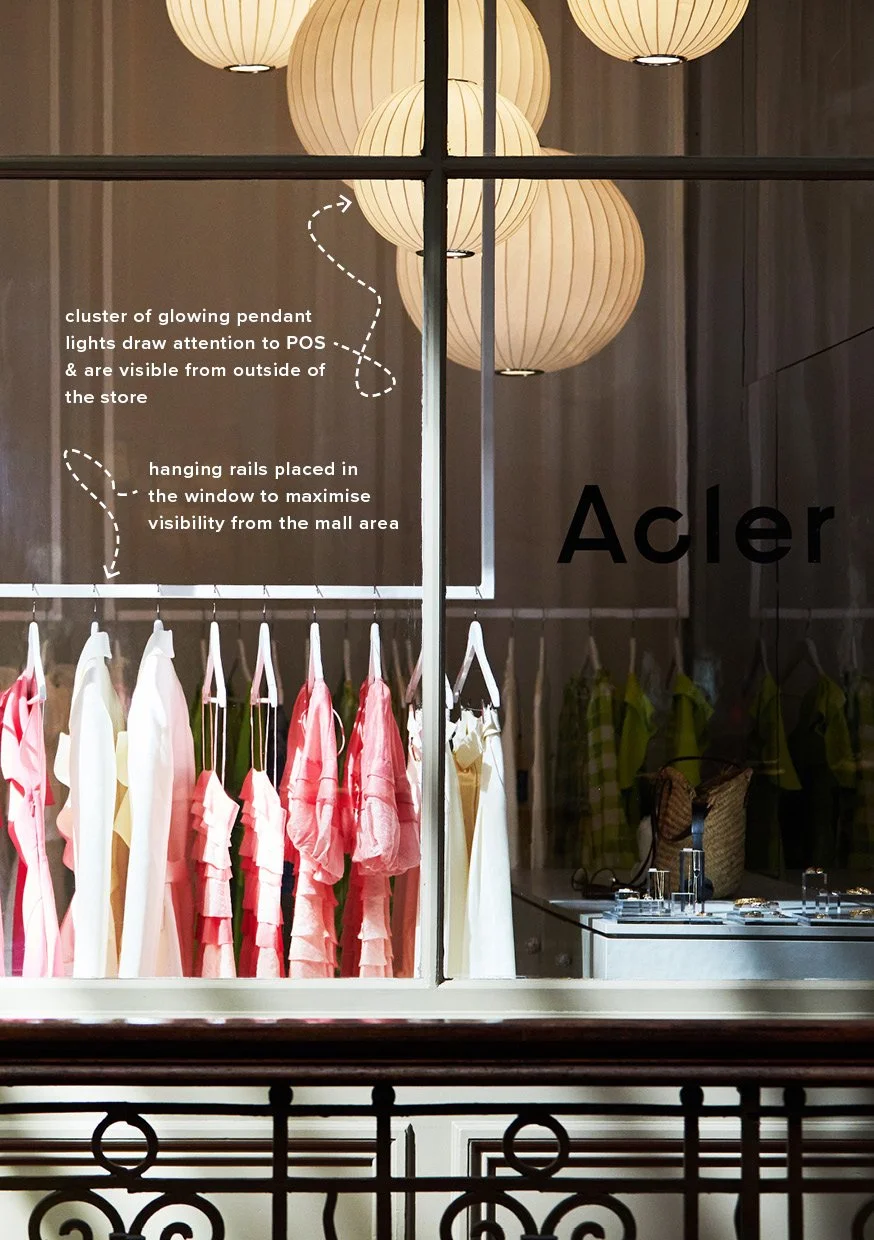
How should your customer view your product? Does it need to be hanging, folded, flat-lay, or in a lockable cabinet? The design of the displays should be specific to your brand. It doesn’t need to be an elaborate or expensive solution, but it should be tailored to the product. Good product display encourages customers to browse, touch and feel, or try on. The aim is to sell, so let’s show off the product as best we can. Merchandising also plays a role, as an overstocked store with crowded and messy displays can set a bad first impression.
Lighting:
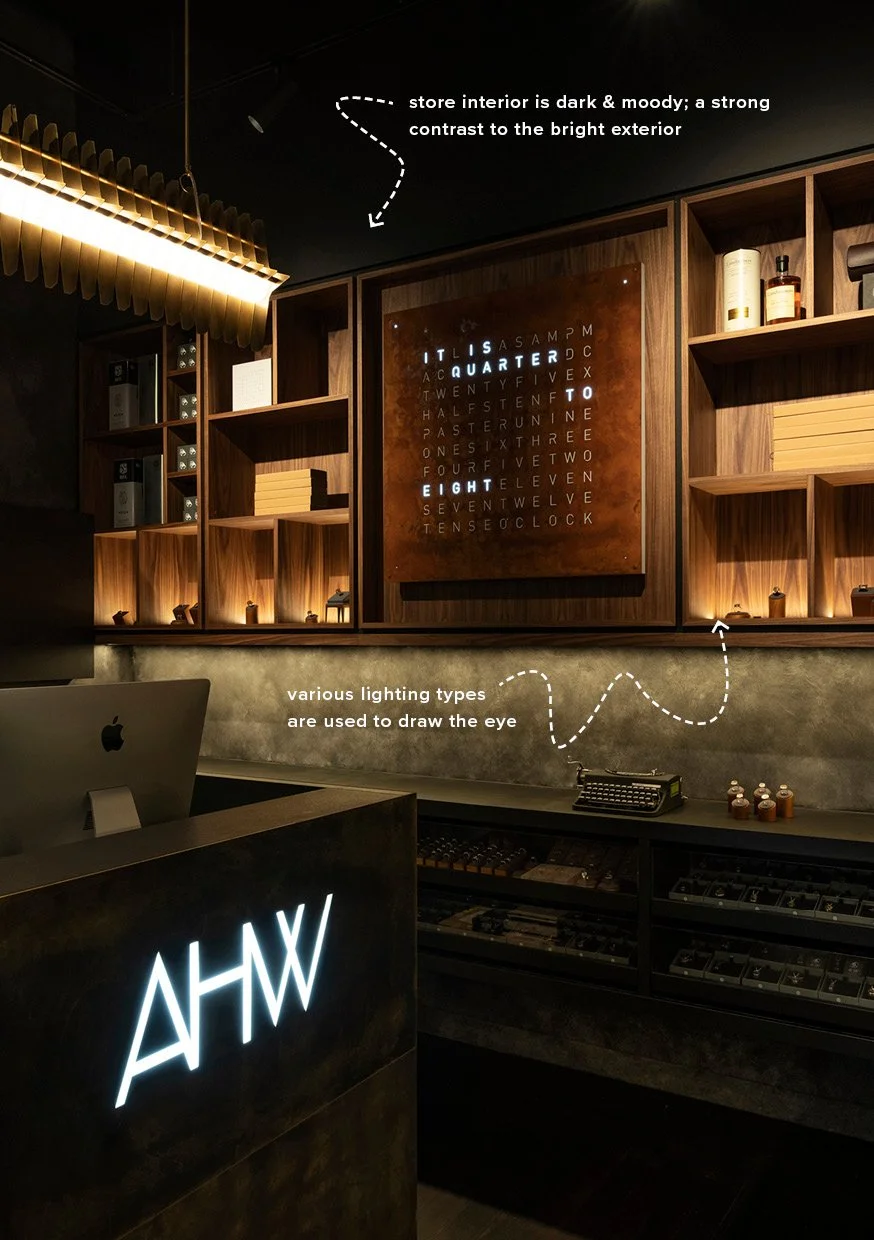
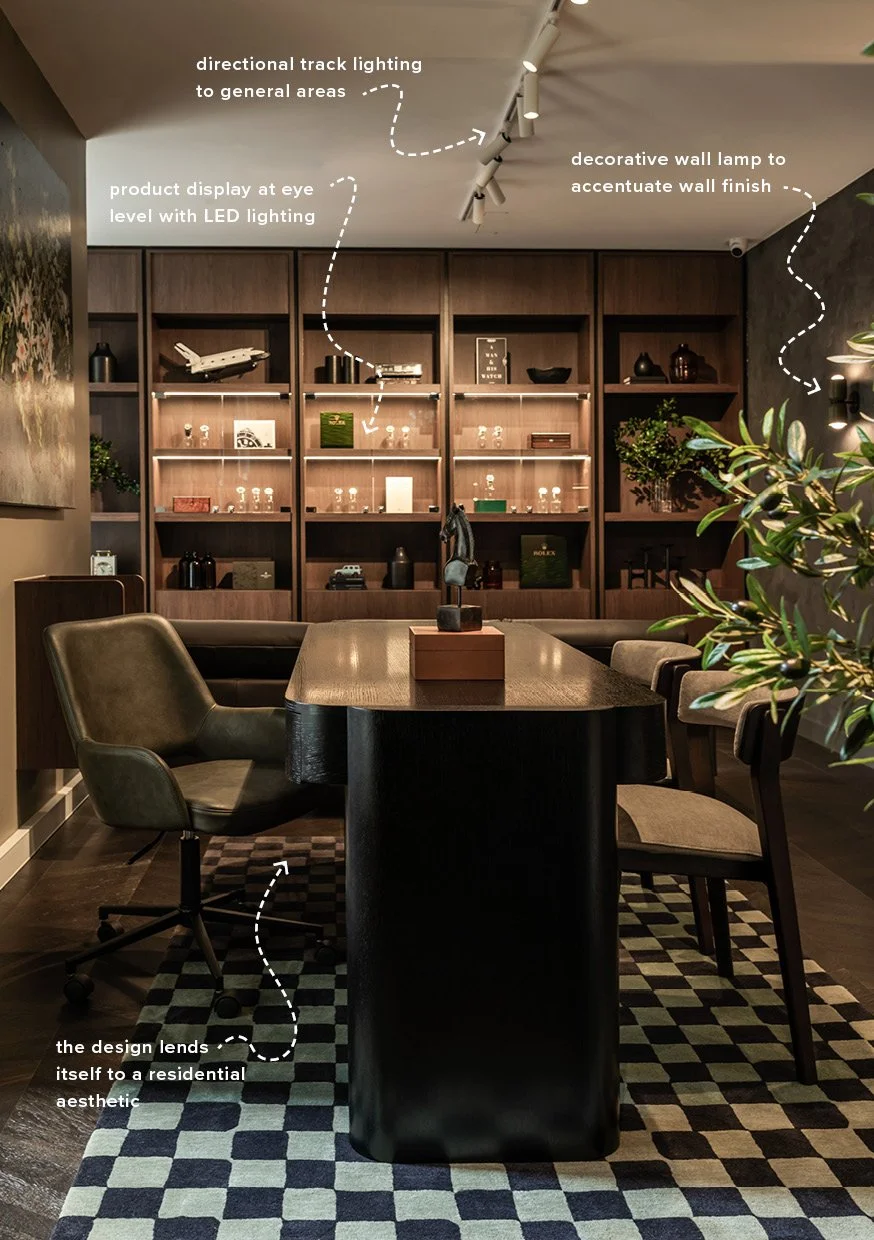
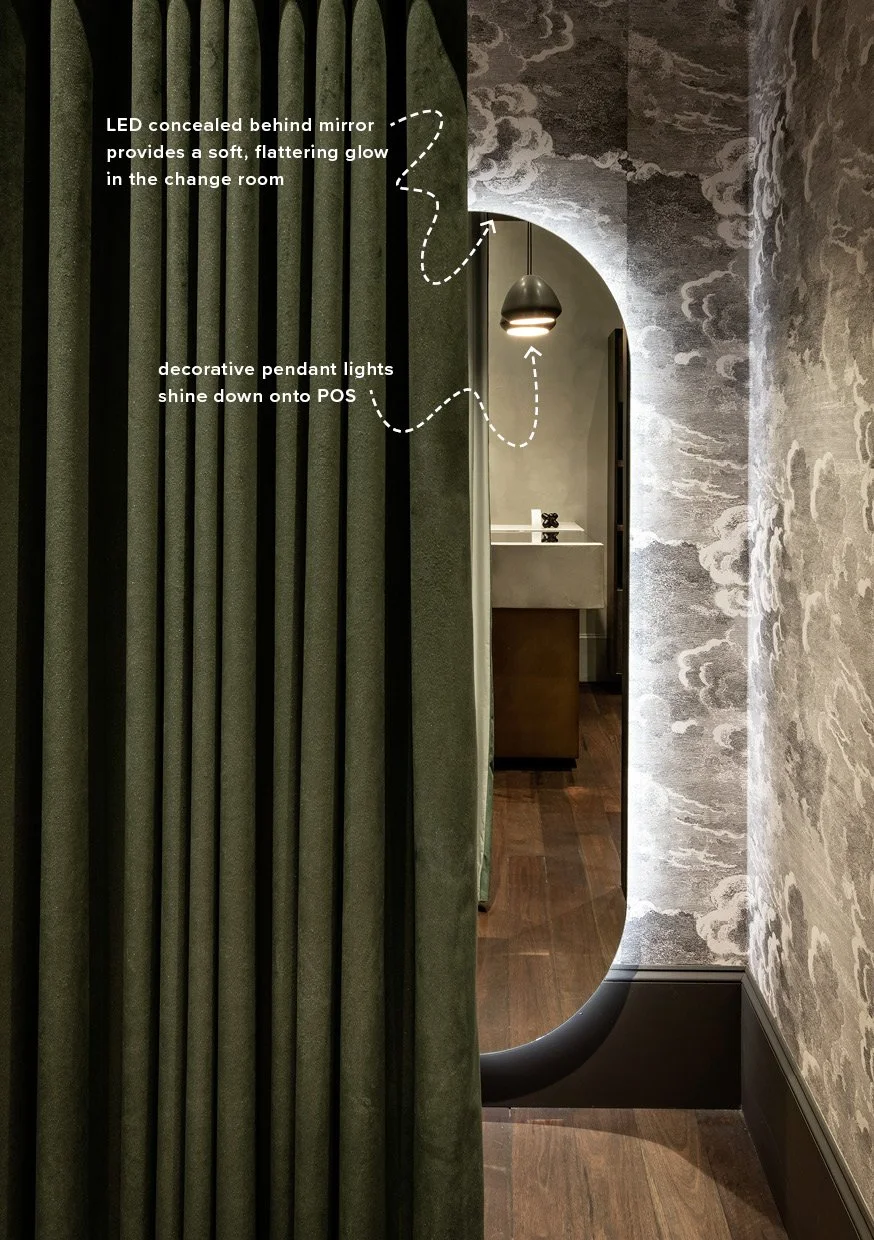
The holy grail of setting the ambience or mood of the space. Gone are the days when a store was flooded with metal halide fittings with a bright, flat output. Nowadays, retail lighting is more dynamic, with areas of light and shade to draw the eye and set the tone. Change room lighting should always be flattering, while specific product lighting should accentuate what’s on display. Investing in quality fittings and seeking input from lighting specialists or consultants can make all the difference. Don’t be afraid to embrace a residential ambience or moodiness if this resonates with your brand and the shopping experience you’re trying to create.
Finishes:
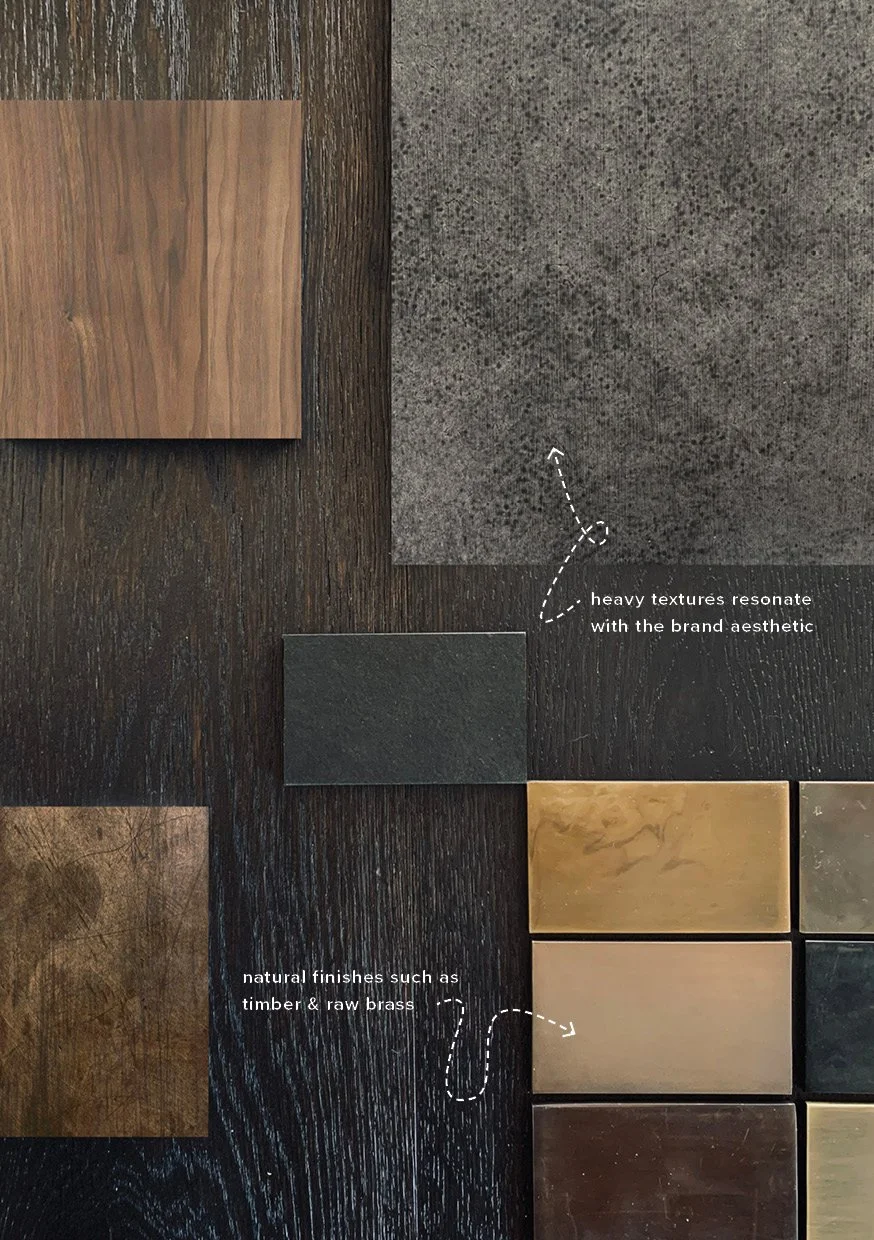
The quality and combination of finishes can truly capture the essence of your brand. The goal is to translate who you are without the need for a logo on the wall. While a logo can be a nice addition, consider if your ideal customer is drawn to the space without it. Will they know it’s “you” if the branding is taken away? Pulling together a strong finishes palette is a process of experimenting and editing; you may not reach the final solution on the first go, and that’s ok. Be open to new things, avoid simply copying & pasting from pinterest and enlist the help of a designer to develop something special.
No matter the size of the space you’re working with, the design of your retail store should represent who you are, showcase your product and leave a lasting impression. Now more than ever, retail spaces can be a powerful tool for growth as consumers buy into brand experience. Making the most of your retail space involves more than just surface level aesthetics. For maximum return on investment, consider all factors when in the early stages of design.